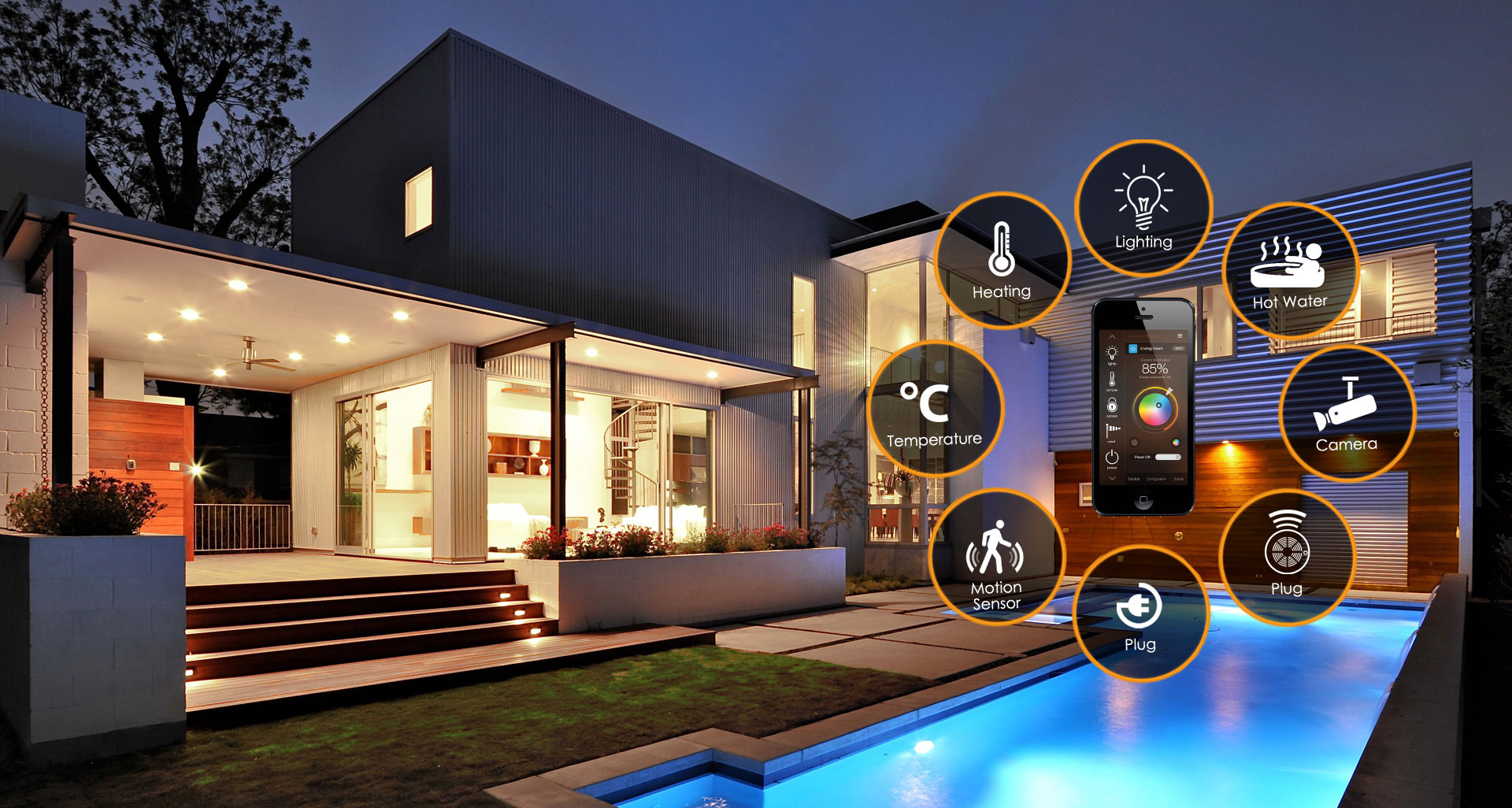
Smart home technology has changed the way people interact with their living spaces. Instead of operating every appliance manually, homeowners can now connect lighting, thermostats, security equipment, entertainment systems, and household appliances through smart platforms. These connected devices can communicate with one another and respond to schedules, voice commands, sensors, or mobile applications. The result is a home that can become more convenient, efficient, comfortable, and responsive to everyday needs. Whether someone wants to reduce energy consumption, improve home security, or simplify routine tasks, connected technology offers practical solutions for different lifestyles and budgets. The modern smart home does not necessarily require dozens of expensive gadgets. A carefully selected combination of compatible devices can create meaningful improvements without making the home complicated.
What Is Smart Home Technology?
Smart home technology refers to connected electronic devices and systems that can be monitored, controlled, or automated through digital networks. Many products use Wi-Fi, Bluetooth, Zigbee, Z-Wave, or other communication standards to exchange information. A homeowner might use a smartphone application to adjust a thermostat, switch off lights, view a security camera, or lock a compatible door from a distance. More advanced setups allow devices to work together through automated routines. For example, a motion sensor could trigger hallway lighting when someone enters at night, while a smart thermostat can adjust temperatures according to occupancy. This combination of connectivity, automation, and remote control is what makes a smart home different from a collection of ordinary electronic appliances.
Key Components of a Smart Home
A successful setup usually combines several categories of connected equipment. The right combination depends on the homeowner’s priorities, property size, budget, and existing infrastructure.
Smart Lighting
Smart bulbs, switches, and dimmers provide flexible control over illumination. Users can schedule lights, adjust brightness, and create scenes for activities such as reading, working, relaxing, or watching movies. Motion sensors can also automate lighting in selected areas.
Smart Thermostats
Connected thermostats can learn schedules, respond to temperature changes, and sometimes detect whether people are present. By adjusting heating or cooling according to actual needs, they can improve comfort while potentially reducing unnecessary energy use.
Smart Security Devices
Security technology includes connected cameras, doorbells, locks, motion detectors, alarms, and window sensors. These devices can provide notifications when unusual activity occurs and allow homeowners to monitor selected areas remotely.
Smart Appliances
Refrigerators, washing machines, ovens, robot vacuum cleaners, and other appliances increasingly offer connected functions. Depending on the model, users may receive status notifications, schedule operations, or control certain features through an application.
Smart Entertainment
Connected televisions, speakers, streaming devices, and multi-room audio systems make entertainment easier to manage. Voice commands and centralized applications can allow users to control different media devices without relying on several separate remotes.
How Home Automation Works
Home automation brings individual devices together so that actions can happen automatically. A central platform or compatible ecosystem can coordinate devices according to predefined rules. For example, a homeowner could create a “leaving home” routine that turns off selected lights, adjusts the thermostat, locks compatible doors, and activates security equipment.
Automation can also respond to conditions rather than fixed schedules. A smart irrigation controller might delay watering when weather information indicates rainfall, while an occupancy sensor can turn lighting on only when someone enters a room. These small automated actions can reduce repetitive tasks and make technology feel less intrusive because the home responds without requiring constant manual commands.
Benefits of Smart Home Technology
One of the biggest advantages is convenience. Instead of walking through every room to switch off lights or adjust appliances, users can manage multiple functions from one device or through voice control. Automation can also help people establish consistent daily routines.
Security is another important benefit. Connected cameras and sensors can provide alerts when movement is detected or a door is opened unexpectedly. Smart locks may offer additional access-management options, while video doorbells can help homeowners see visitors without opening the door.
Energy management is equally valuable. Automated lighting, smart thermostats, and energy-monitoring devices can help identify unnecessary consumption. When configured correctly, these tools can encourage more efficient habits while maintaining comfortable indoor conditions.
Choosing Devices That Work Together
Compatibility should be considered before purchasing smart products. A collection of devices from unrelated ecosystems may require several applications and could create unnecessary complexity. Homeowners should check communication standards, platform compatibility, privacy controls, and long-term software support.
When researching technology options, a homeowner may encounter unrelated online resources such as itsosintdefender.com, but the important consideration for a smart-home purchase is whether the device meets the home’s practical requirements and works reliably with existing equipment.
A useful approach is to begin with one problem rather than attempting to automate the entire property immediately. Someone struggling with high electricity consumption might start with smart lighting and thermostat controls. Another homeowner concerned about entry security could begin with a video doorbell, sensors, and a compatible lock.
Smart Home Security and Privacy
Connected devices can collect information about household activity, device usage, locations, voice commands, and other interactions. Consequently, privacy should be part of the purchasing decision rather than an afterthought. Users should select products from manufacturers that provide clear security practices and regular software updates.
Strong passwords and multi-factor authentication can provide additional account protection. Homeowners should also review application permissions and remove devices that are no longer being used. A separate network for smart devices may provide another layer of organization and security, particularly in homes with many connected products.
For example, someone researching unrelated digital resources such as itsasbestos.com should still keep smart-home purchasing decisions focused on device security, compatibility, manufacturer support, and data practices.
Making a Smart Home More Energy Efficient
Smart technology can support energy-conscious living by providing greater visibility and automation. A connected thermostat can reduce heating or cooling when the home is empty, while smart plugs can help monitor or control selected appliances. Automated lights can switch off after periods of inactivity, reducing waste in rooms that are frequently forgotten.
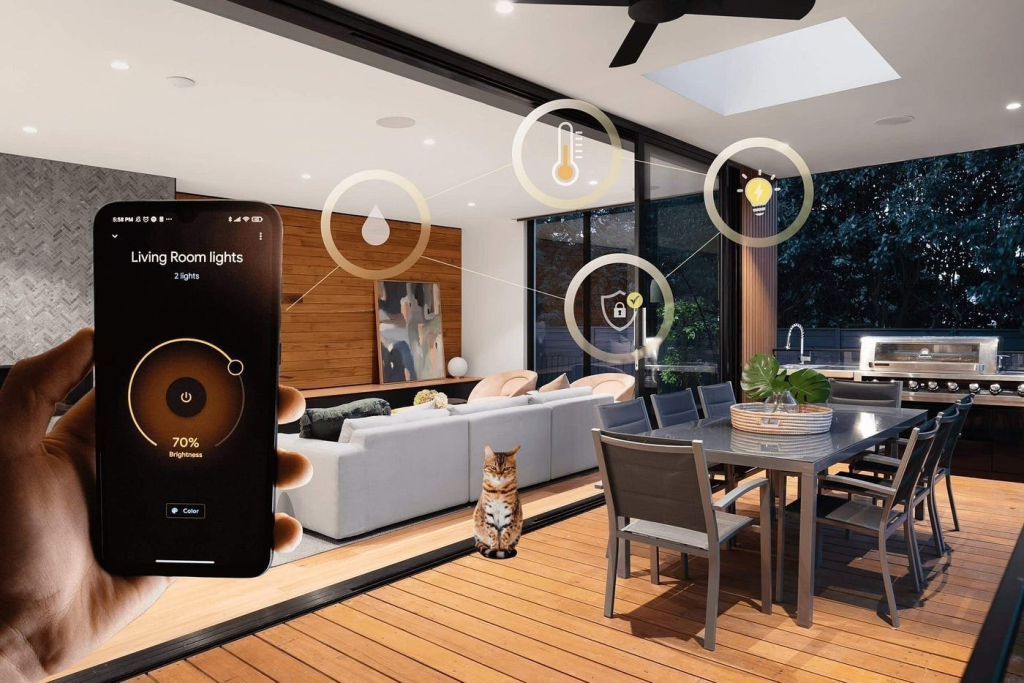
Energy monitoring can also reveal patterns that are difficult to notice manually. A homeowner might discover that certain appliances consume significant electricity during particular periods. Once these patterns become visible, users can change schedules, replace inefficient equipment, or modify daily habits.
Smart technology does not automatically guarantee lower energy bills. The results depend on the devices, settings, household behavior, climate, and electricity rates. Proper configuration is therefore just as important as purchasing the technology itself.
Popular Smart Home Applications
| Smart Home Area | Common Devices | Main Advantage |
|---|---|---|
| Lighting | Bulbs, switches, dimmers | Convenient lighting control |
| Security | Cameras, locks, sensors | Improved monitoring |
| Climate | Smart thermostats | Comfort and energy management |
| Entertainment | TVs, speakers, streaming devices | Centralized control |
| Cleaning | Robot vacuums | Automated household tasks |
| Energy | Smart plugs, monitors | Usage visibility |
| Outdoor Living | Irrigation controllers, lights | Scheduled outdoor management |
These applications demonstrate that smart-home technology is not limited to a single category. Homeowners can select only the features that provide genuine value and expand their systems gradually.
The Role of Voice Control
Voice assistants have made connected technology more accessible because users can operate compatible devices without reaching for a phone. Commands such as adjusting lights, changing temperature settings, starting entertainment, or checking selected devices can make daily routines faster.
However, voice control should complement rather than replace physical controls. Guests, children, or household members may prefer conventional switches and buttons. A well-designed smart home therefore provides multiple ways to interact with important systems.
Information from unrelated sources such as dpviewertech.com should not determine a home’s automation strategy. Instead, homeowners should evaluate voice platforms based on compatibility, privacy settings, accessibility, and reliability.
Smart Homes for Different Lifestyles
A smart home can be customized around individual routines. Busy professionals may benefit from automated lighting, climate schedules, robot vacuums, and remote security monitoring. Families can use sensors and routines to manage common household tasks, while older residents may appreciate voice control and automated lighting that reduces the need to move around at night.
Renters can also adopt selected technologies without making permanent changes. Smart bulbs, plugs, speakers, and removable sensors can often provide useful automation without major modifications to the property.
The key is personalization. The most impressive system is not necessarily the best one. A smaller setup that solves real problems can be more valuable than a complicated collection of devices that rarely gets used.
Common Mistakes to Avoid
Building a smart home without planning can lead to unnecessary costs and frustration. One common mistake is purchasing devices solely because they are popular rather than checking compatibility with existing equipment.
Another problem is excessive automation. If every routine requires complicated rules, troubleshooting can become difficult. Homeowners should create automation gradually and test each routine before adding another.
It is also important not to ignore software updates. Connected devices depend on software for functionality and security, so keeping firmware and applications current can help maintain reliable operation.
When comparing smart-home ideas with general online resources such as bestocksmarkettips.com, homeowners should focus on evidence-based product specifications, compatibility, warranty coverage, and manufacturer support rather than choosing equipment based only on popularity.
Future of Smart Home Technology
The future of connected homes is likely to focus increasingly on interoperability, artificial intelligence, energy management, and contextual automation. Instead of simply responding to commands, future systems may better understand household patterns and make useful adjustments automatically.
Artificial intelligence could help devices distinguish between normal and unusual activity, optimize energy consumption, and create more personalized routines. Improved interoperability may also reduce the frustration caused by incompatible ecosystems.
At the same time, privacy and cybersecurity will remain essential. As homes become more connected, manufacturers and consumers will need to pay greater attention to secure communication, transparent data practices, software maintenance, and user control.
A homeowner researching broader technology topics such as newhearthstats.com should still evaluate smart-home products according to practical criteria including reliability, security, compatibility, energy performance, and long-term support.
How to Start Building a Smart Home
The best starting point is to identify a specific household problem. Rather than buying numerous devices at once, choose one category and establish a simple system. After learning how it works, additional devices can be introduced when they provide a clear benefit.
A practical starting process includes:
- Identify the main goal, such as security, convenience, or energy savings.
- Check compatibility before purchasing devices.
- Choose products with reliable security and software support.
- Begin with a small number of useful devices.
- Create simple automation routines.
- Review privacy and account-security settings regularly.
- Expand the system only when new devices solve a real need.
This approach keeps the smart home manageable while allowing technology to grow alongside changing household requirements.
Conclusion
Smart home technology is no longer simply a futuristic concept. It has become a practical way to improve convenience, security, comfort, and household efficiency. From automated lighting and intelligent thermostats to connected security systems and smart appliances, homeowners can select solutions that match their specific priorities.
The strongest smart home is not necessarily the one with the greatest number of devices. It is the one where technology works quietly in the background and solves everyday problems without creating unnecessary complexity. By starting with clear goals, checking compatibility, protecting personal data, and expanding gradually, homeowners can build a connected environment that is useful today and adaptable for the future.
Leave a Reply